From plastic bottle to acoustic furniture. We pioneered PET Felt in furniture design, transforming recycled material into high-performance acoustic solutions. Produced locally in Western Europe in 11 colour blends, it combines soft textile aesthetics with plastic durability and complete recyclability.
The journey from waste to furniture happens in five stages. Each step transforms the material further, from compressed plastic bottles to three-dimensional furniture components.
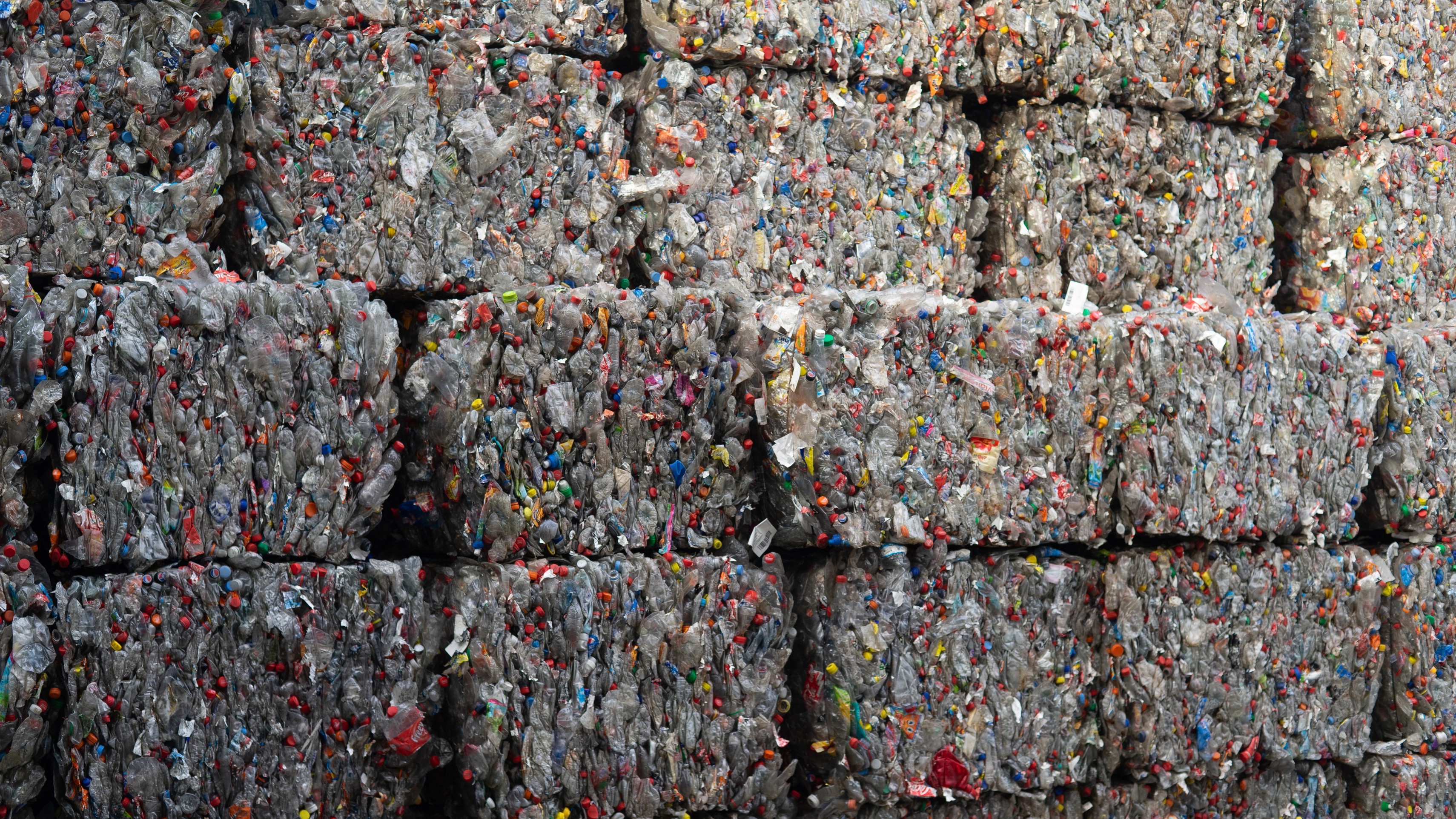
Bottles arrive at recycling centres in 250kg compressed bales. They're separated, cleaned, and sorted. The sorting machine removes all coloured parts, including caps and labels, leaving only clear PET bottles ready for processing.
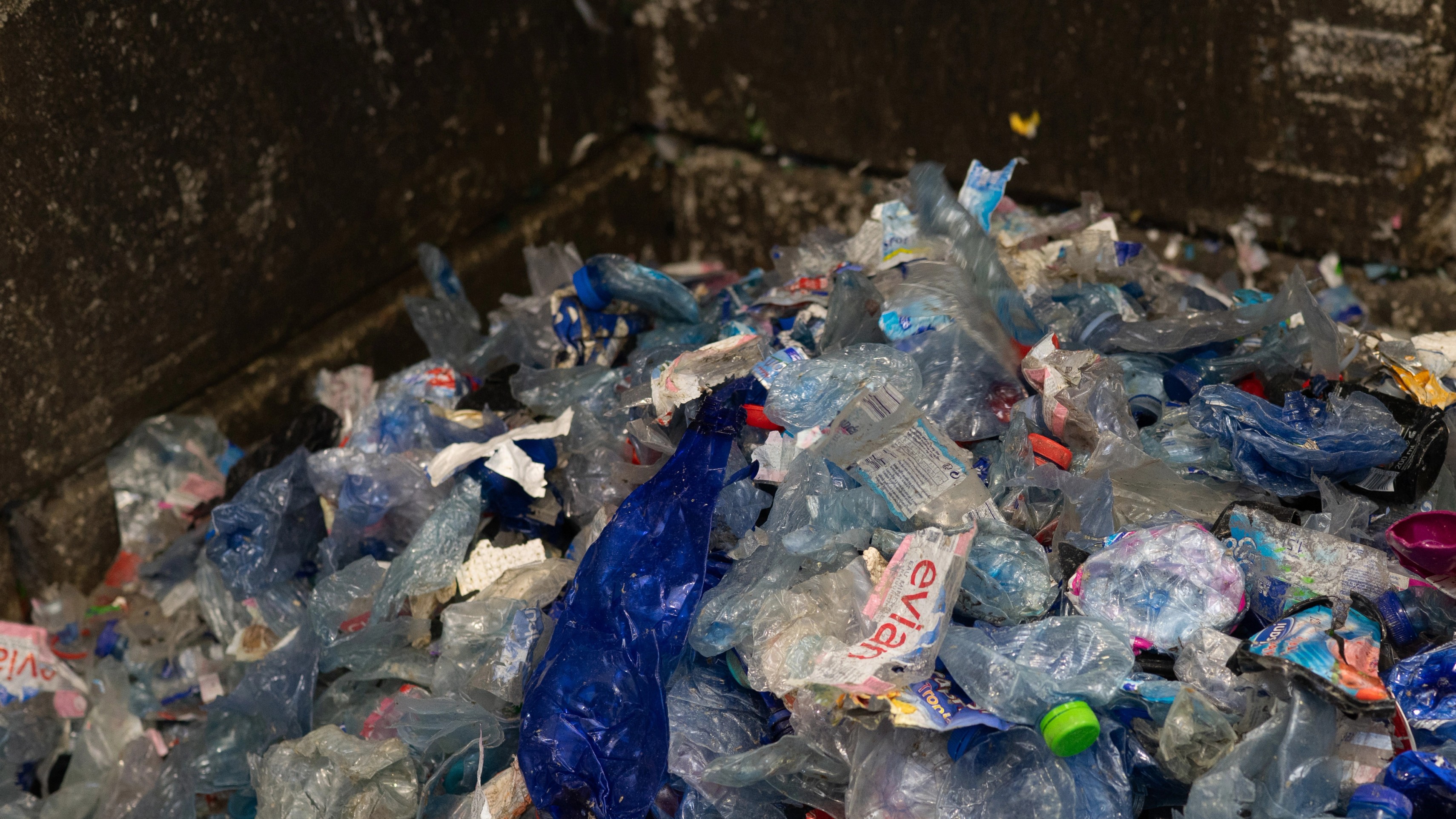
Sorted bottles move into the granulator where rotating blades shred them into 1cm flakes. The granulator removes remaining debris. What were once plastic bottles are now pure PET flakes, ready for transformation.
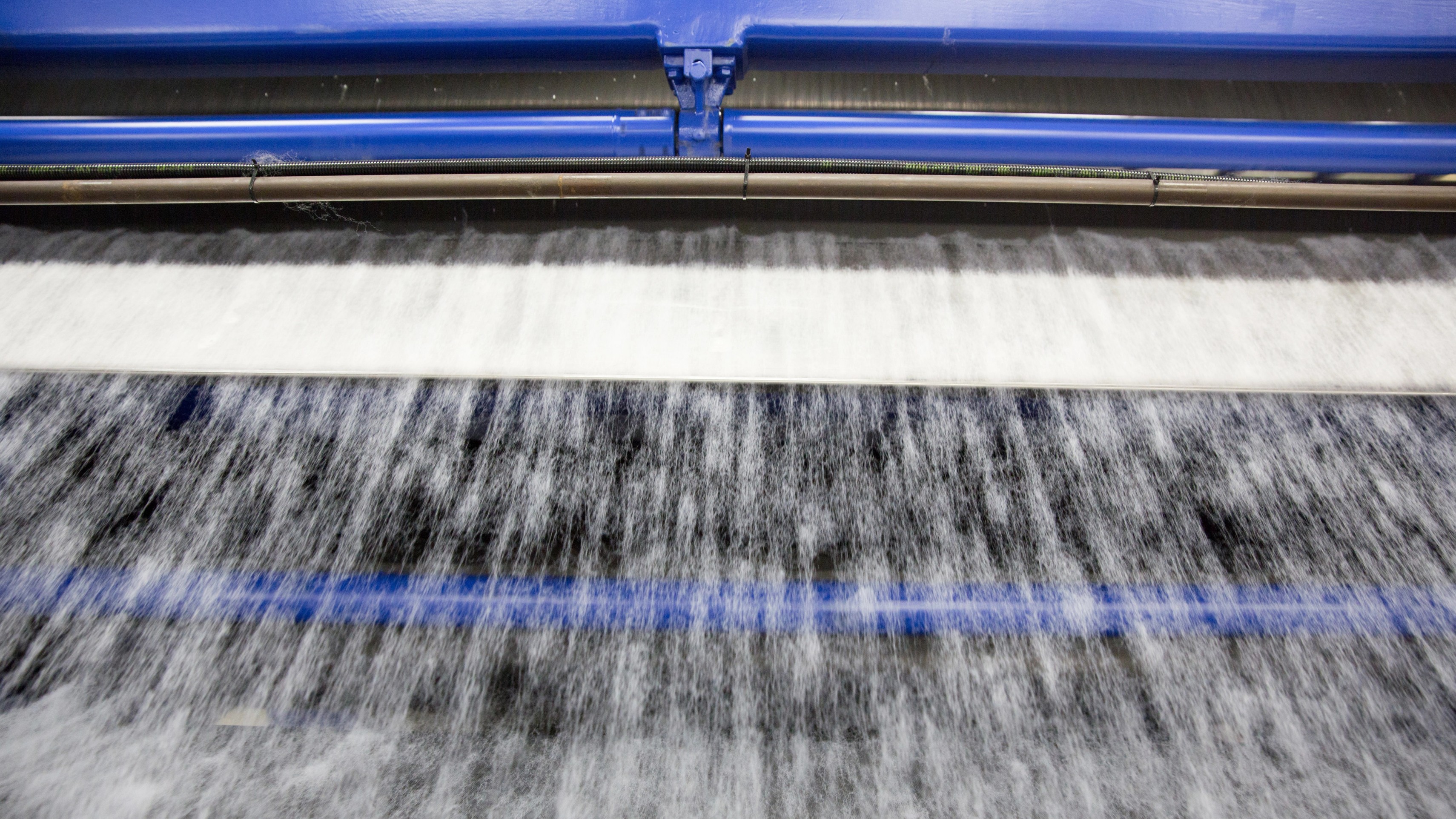
PET flakes travel through an extruder that melts them into polyester fibres. Hard plastic becomes soft, wool-like material. The fibres are then cut into thin sheets, preparing them for the felting process.
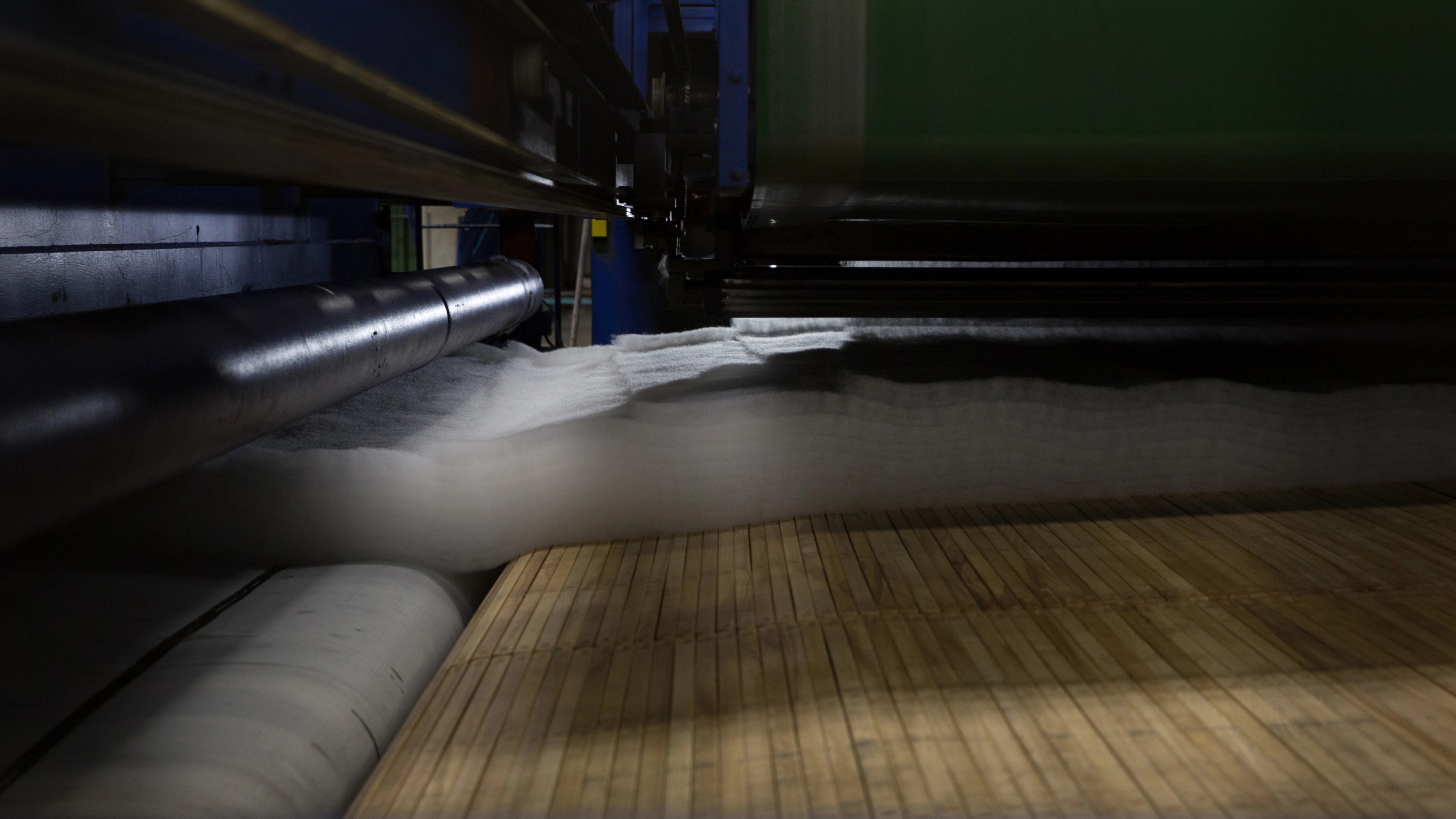
The felting machine layers and compresses the fibres. Thousands of barbed needles stab the material, binding it into felt. Three felt sheets are merged into a dense mat through repeated needle-punching, ready for pressing.
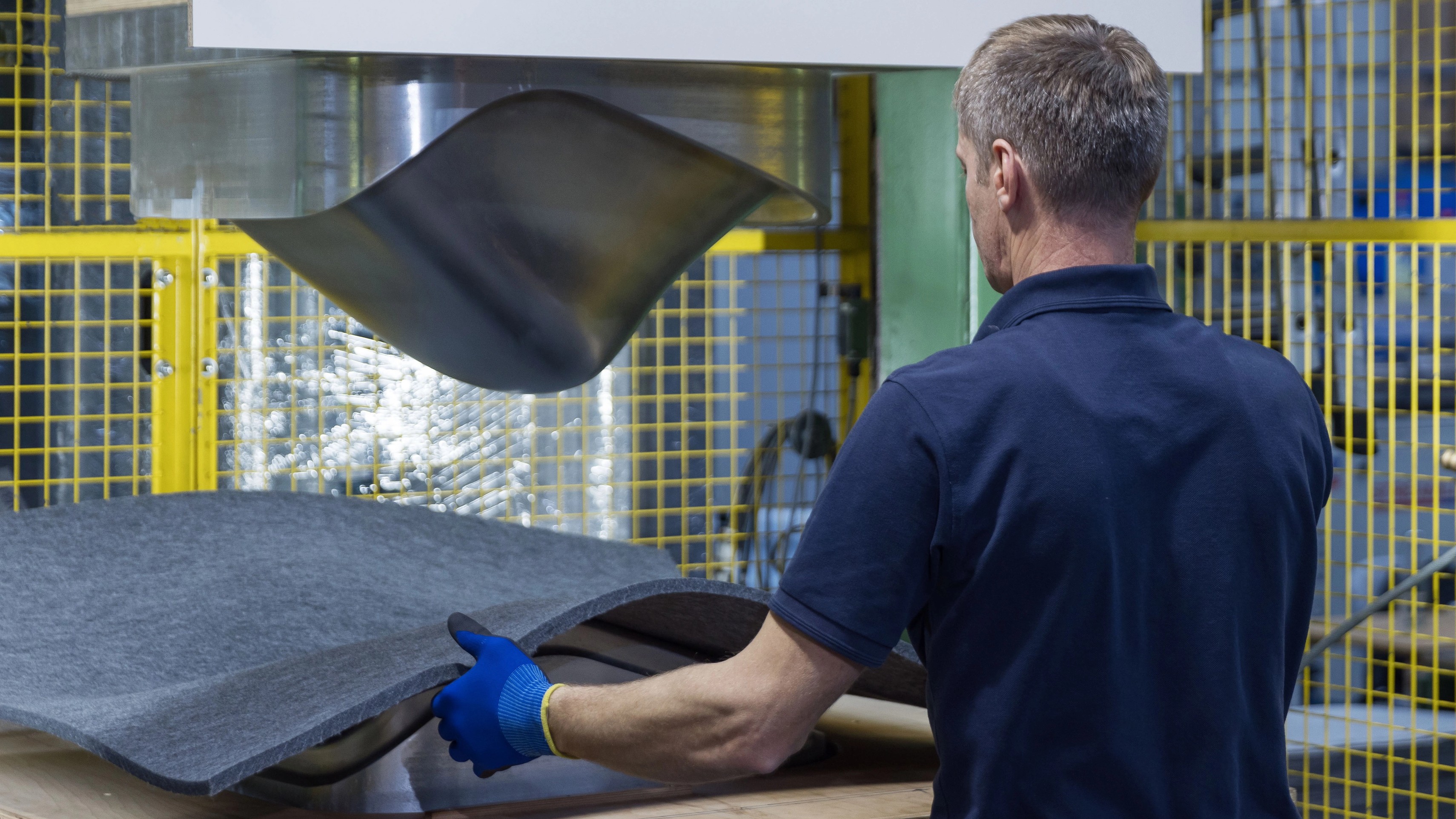
PET felt can take any three-dimensional shape. A single moulding action transforms flat felt sheets into sturdy chair seats, acoustic panels, or lampshades whilst preserving the soft, wool-like texture.
Made from recycled plastic bottles and produced locally in Western Europe, PET felt combines sustainability with high performance.

Transforms waste into acoustic furniture whilst designed for complete recyclability at end of life.

Delivers excellent sound absorption, outperforming traditional foam alternatives.

Consistent colour specification across acoustic panels, upholstery, and screens.

No dangerous off-gasses, lead, or tin. Maintains performance over decades.

Manufactured in Western Europe, reducing transport distances.

Get hands-on with our materials and finishes. Request samples to experience the quality, texture, and colours for your project.
Request Samples