The office as your best brand ambassador
The office is not, despite what some were predicting, facing an existential threat. But it is having an identity crisis. What exactly is the office for now?
It is no longer a place of routine, of dutiful eight-hour shifts. As most workplaces - at least those dedicated to digitally enhanced knowledge work - move to hybrid working, flexibility and intention have replaced obligation.
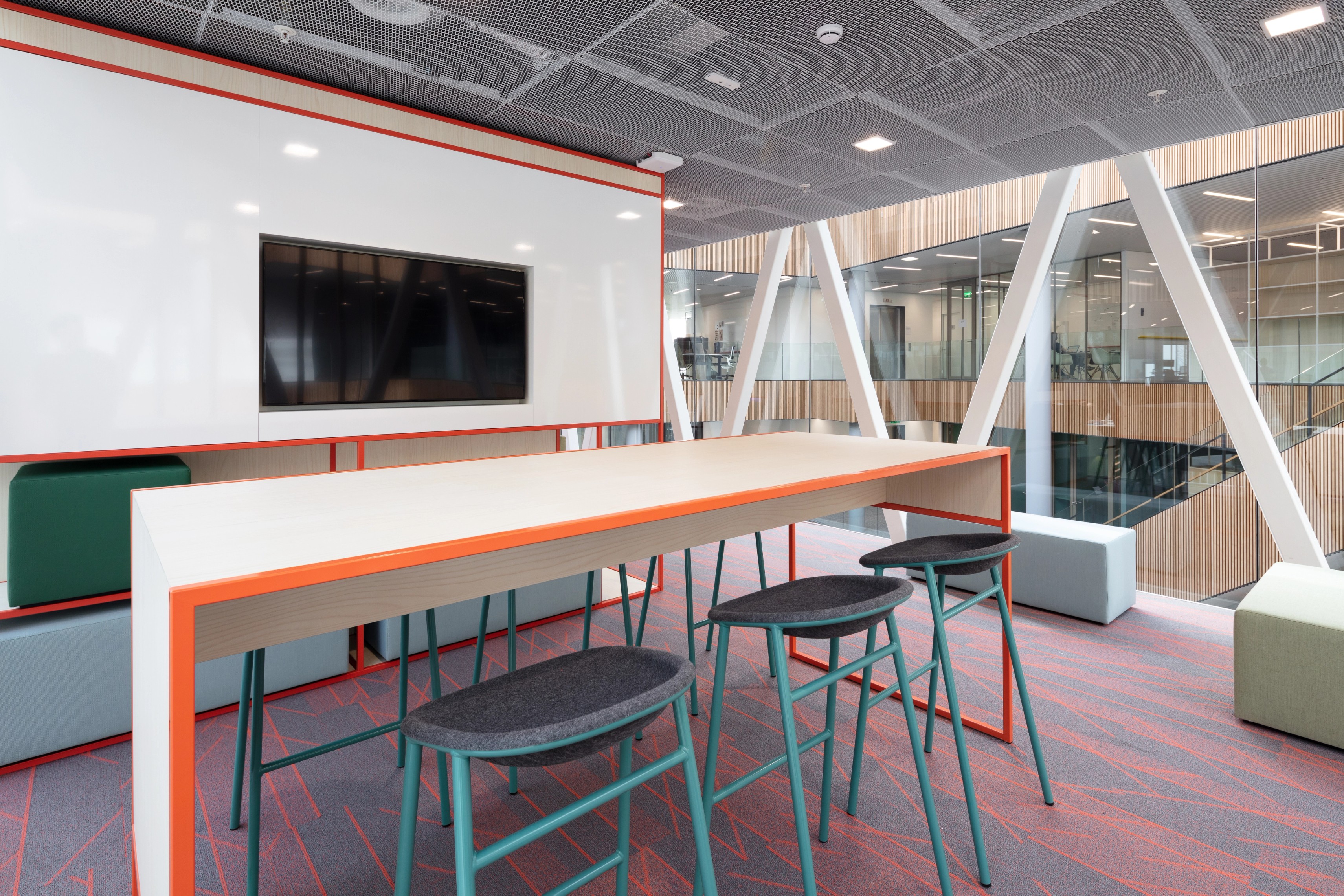
The days of dull, ranked and permanently occupied desks or cubicles are done. The modern worker is mobile, outside and inside the office, bouncing from spot to spot, depending on the task at hand. Workers mostly come into the office to meet, one-on-one or in teams, to collaborate or receive training, or to find a quiet spot for flow-state deep work. They are there only when it’s the best place to be. They are working out how best to navigate this new geography, switching between remote and in-person engagement, and developing new routines, the working day more fragmented but a better fit for personal and professional to-do lists. They are learning to work asynchronously, to schedule and re-schedule.
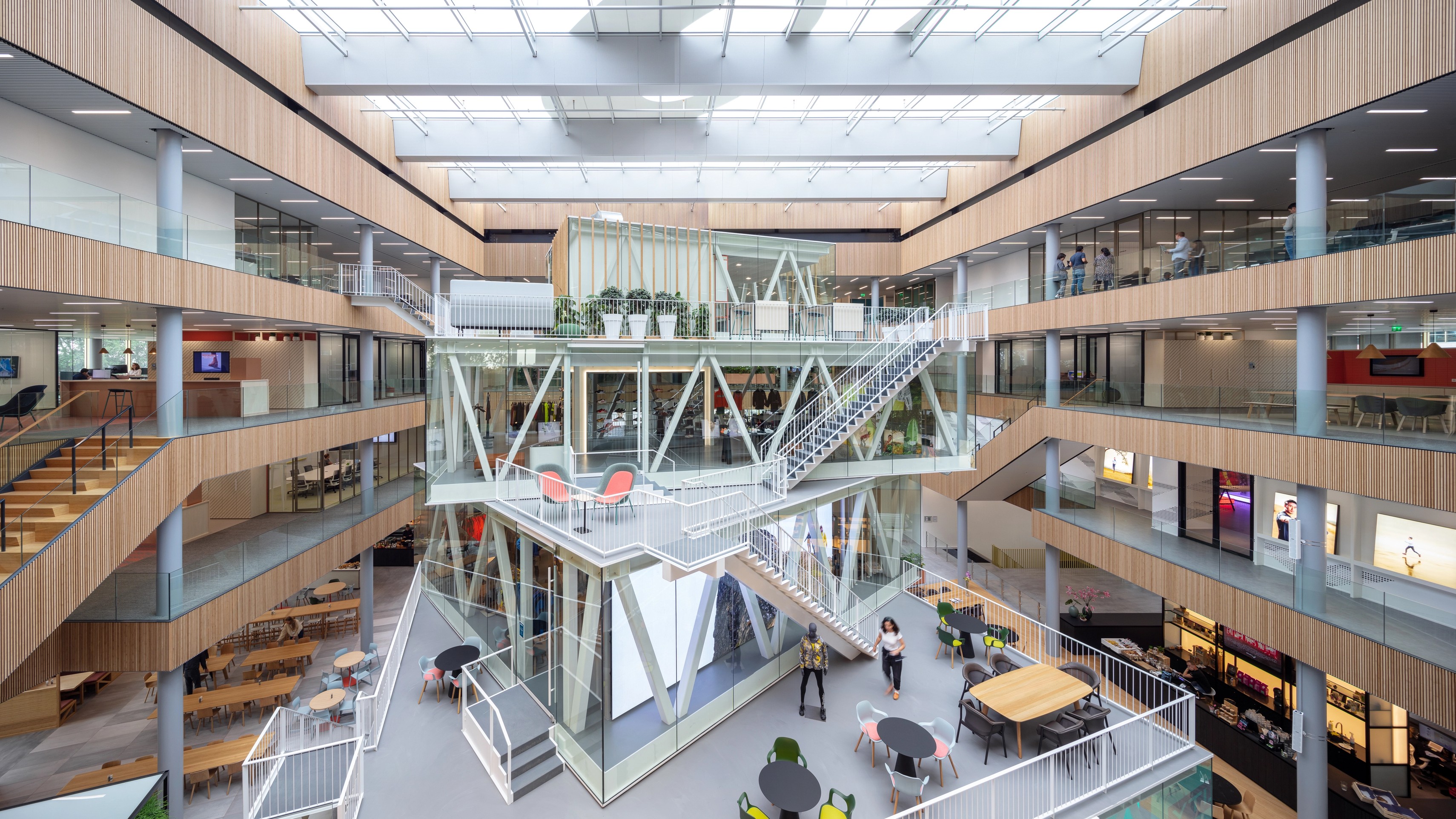
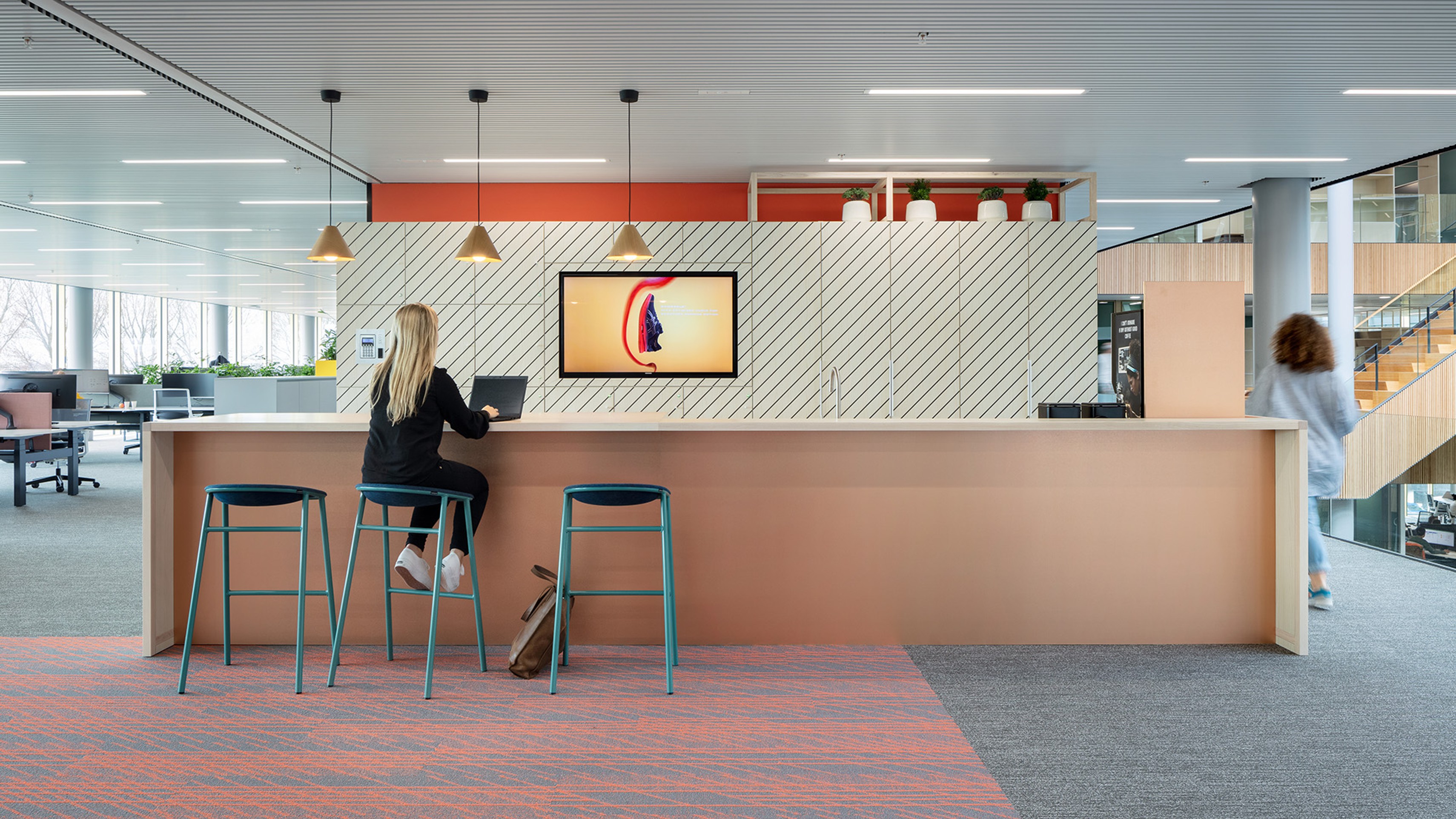
That may sound like the beginnings of a slow death for the office, the first stop on the road to irrelevance or a radical downsizing of space and function. But the move to a more mutable workday and hybrid working amplifies the importance of the office in other ways. The physical office is where company culture is actually lived, expressed and felt. It can and should be the ultimate brand ambassador. The best workplaces can sell and tell a story about a company and brand's vision and essential proposition, internally and externally, to employees, potential employees and clients.
Martijn Prins is Head of Studio and Associate Director at commercial real estate giant CBRE. Prins and his team worked on the design of headquarters for Netflix, sportswear company Asics, and travel service Booking.com, amongst many others.